AI contract review can be hard to trust at first, and that is fair. Treat it the way you would a new paralegal. Give it contracts you have already reviewed, check its work and teach it your positions.
Trust then grows with the work. You hand over a little more each time it gets things right, and the judgment calls stay with you.
How do you train it, the way you would a new paralegal?
You give it your rules. AI contract review pairs a language model, which reads the contract, with your positions, which tell it what good looks like. A typical review runs in five steps.
- Read. The AI identifies the type of contract and splits it into clauses.
- Compare. It checks each clause against your playbook by meaning, so the same position in different words can still match.
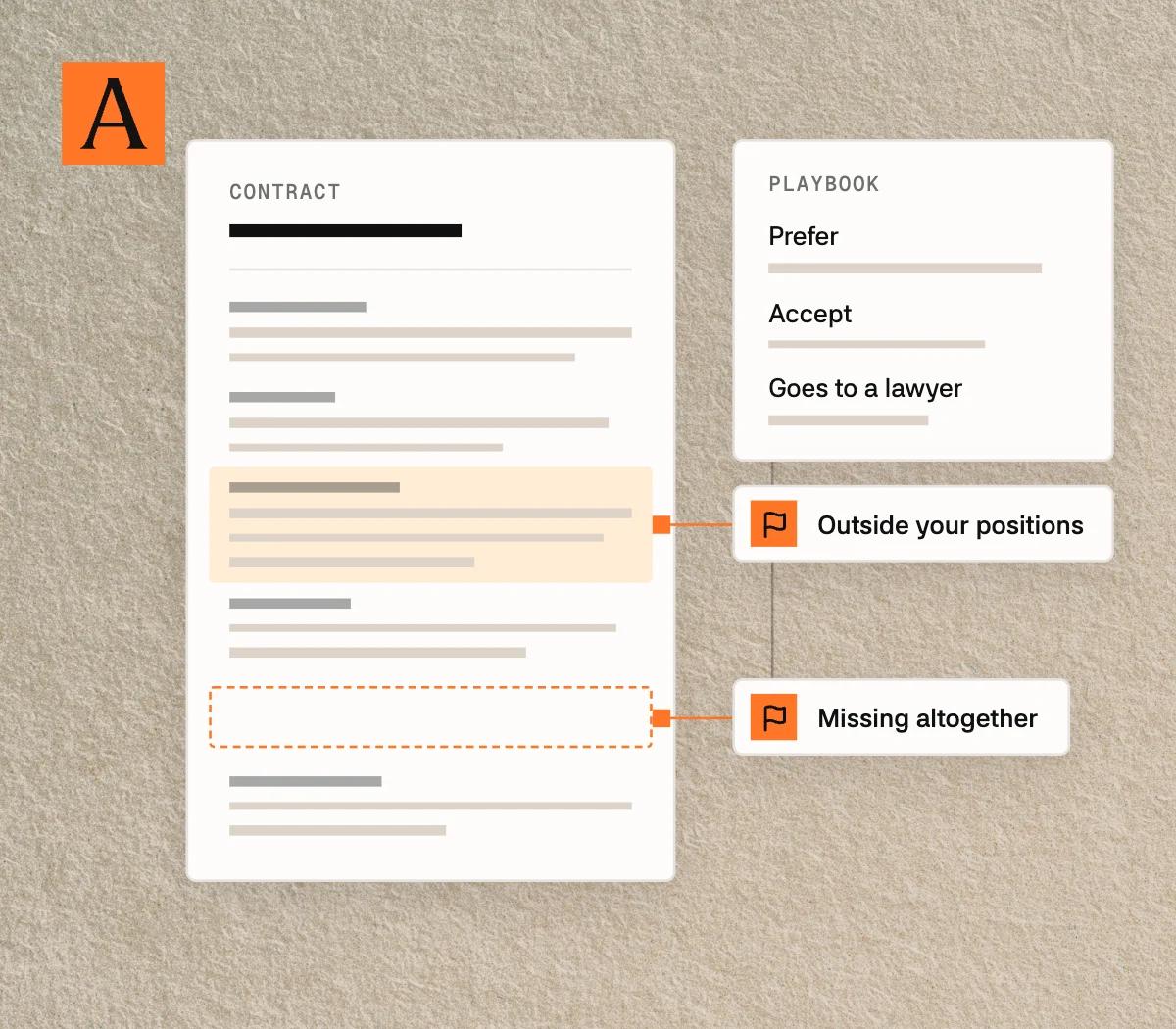
- Flag. It marks what falls outside your positions and what is missing altogether.
- Propose. It suggests changes, often as tracked changes in Word, with a reason for each.
- Decide. The responsible person accepts, rejects or escalates each point before anything goes to the other side.
Your rules live in a playbook. That is the set of positions your business has agreed for each key clause. It records what you prefer, what you will accept and what always goes to a lawyer.
Without one, contract review AI can only measure a contract against general practice, which may differ from what your business accepts. A playbook can start small and grow from the way you already negotiate.
Three habits make the difference in the first weeks.
- Tell it the context. The AI does not know this supplier is your only option, or that the commercial terms were agreed on a call, unless you tell it.
- Fill the gaps as they show. Where your playbook is silent, a careful product flags the clause for a person. Add your answer to the playbook, and the next contract is read with it.
- Check each flag against its clause. A good review ties every flag and proposed change to its clause, so checking one takes a moment.
How do you test AI contract review software?
Test it on your own contracts, then ask what happens after the first pass. Six checks cover most of it.
- Run a blind test. Take ten contracts your team has already reviewed. Count the issues the product misses and the flags that were not real problems.
- Follow one contract to the end. Ask to see a request taken through negotiation, signature and filing. Note each point where your team had to step in.
- Ask who checks the output. Automated checks, quality monitoring and a lawyer reviewing your matter are different safeguards. Find out which you are getting.
- Ask where your contracts go. Check whether your data trains any model, how long it is kept and whether you can have it deleted.
- Ask what the first month takes. Find out who sets it up, what it needs from you before the first contract, and who helps when it gets something wrong.
- Price the whole job. Compare the cost with what the same work costs today in lawyer time or outside counsel fees.
Run the same test on each kind of product you are weighing. Our comparison pages take several of them one at a time.
When do you hand over more?
When its work has held up on your own contracts. A sensible order is to check every point at first, then only what it flags, and later to let it send routine replies inside limits you have agreed.
The routine work is where it earns that first. AI is good at speed, consistency and finding things in long documents.
In a February 2025 benchmark that set four legal AI tools against a control group of lawyers on seven tasks, the AI tools scored higher than the lawyers on four. On answering questions about a document, the best tool scored 94.8% and the lawyers 70.1%. Every tool tested did better than the lawyers at summarizing documents.
The judgment calls stay with a person, such as unusual or high-value deals, disputes and clauses outside your playbook.
What does AI contract review look like at Alaro?
Alaro is our self-serve AI paralegal, built by lawyers. You forward it a contract by email, Slack, Teams or WhatsApp, and it reads every clause against your playbook. Anything outside your playbook is flagged, never changed quietly.
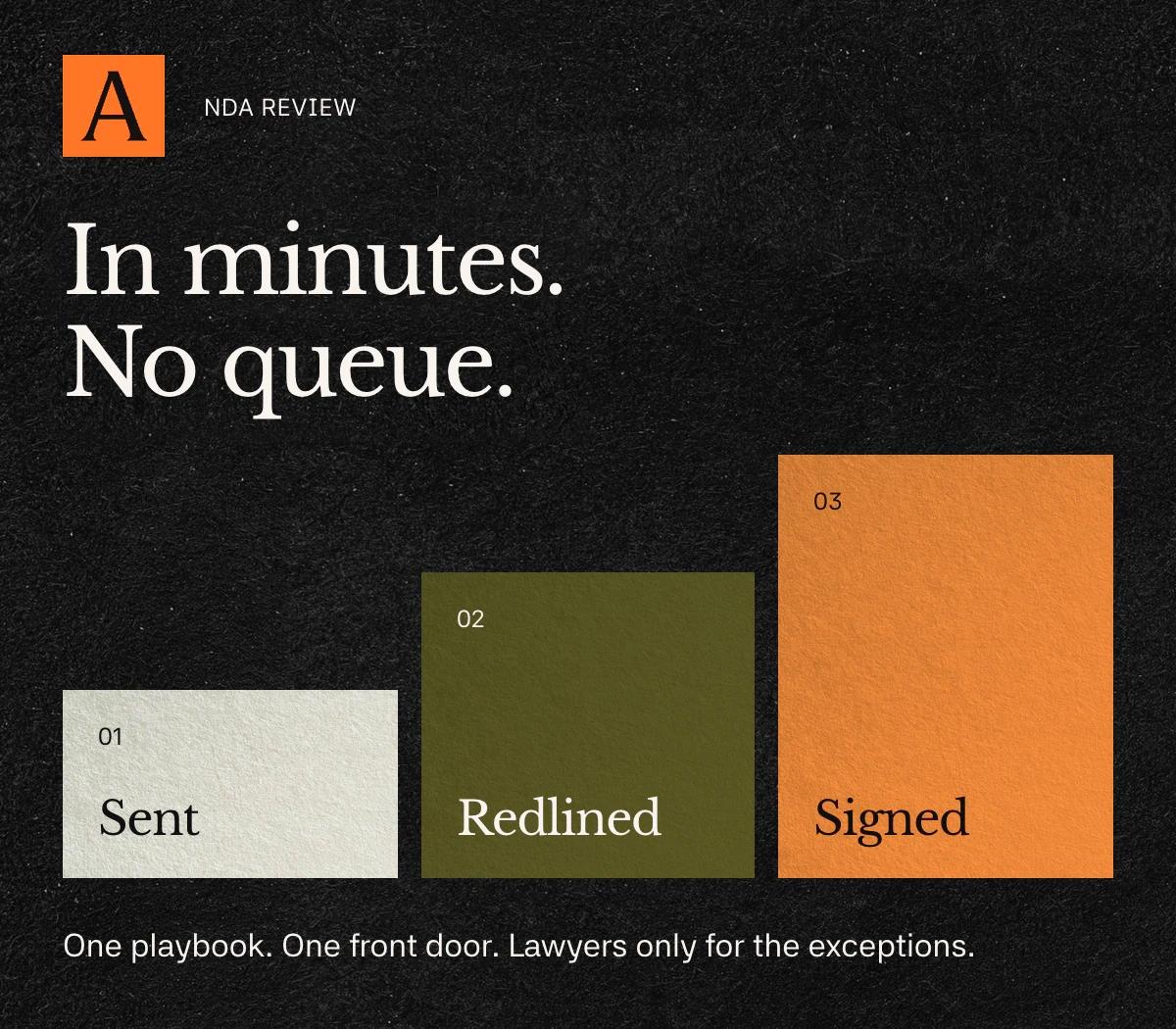
The work carries on after the review. Alaro drafts the mark-up and can take the negotiation from there, through to signature.
You do not need a playbook to begin. Start free and send one contract. Alaro asks for the context that task needs, and it can build a playbook from the way you already negotiate. It learns your preferences as you work together, and we help you get set up in your first weeks. Your first week with Alaro shows one way it can go.
Our in-house lawyers monitor quality and double-check work that is escalated internally. That is different from a lawyer reviewing your particular contract. You can request that review from a regulated, insured lawyer, and you approve its scope and fee first.
You can start with US$100 in free credits, and our trust page explains how we protect your work. See what our contract review service sends back.
FAQ
Can ChatGPT review a contract?
Yes, it can read a contract and comment on it. With a general-purpose assistant, your organization supplies the legal context, the instructions and the review process. Check your plan's terms before you enter a confidential contract.
What types of contracts can AI review?
Routine agreements that repeat are the best fit. Those include NDAs, supplier agreements, MSAs, order forms and renewals. Document-heavy deals suit it too, such as a data room with hundreds of contracts to read. AI can also give a first read of a bespoke or high-stakes agreement, and a lawyer should still review that agreement in full.
Is contract review the same as a CLM?
No. A review looks at one contract and what to change in it. A CLM is a platform that stores your agreements and runs the process around them, and many now include AI review.
Sources
- Vals AI, Vals Legal AI Report, February 27, 2025.